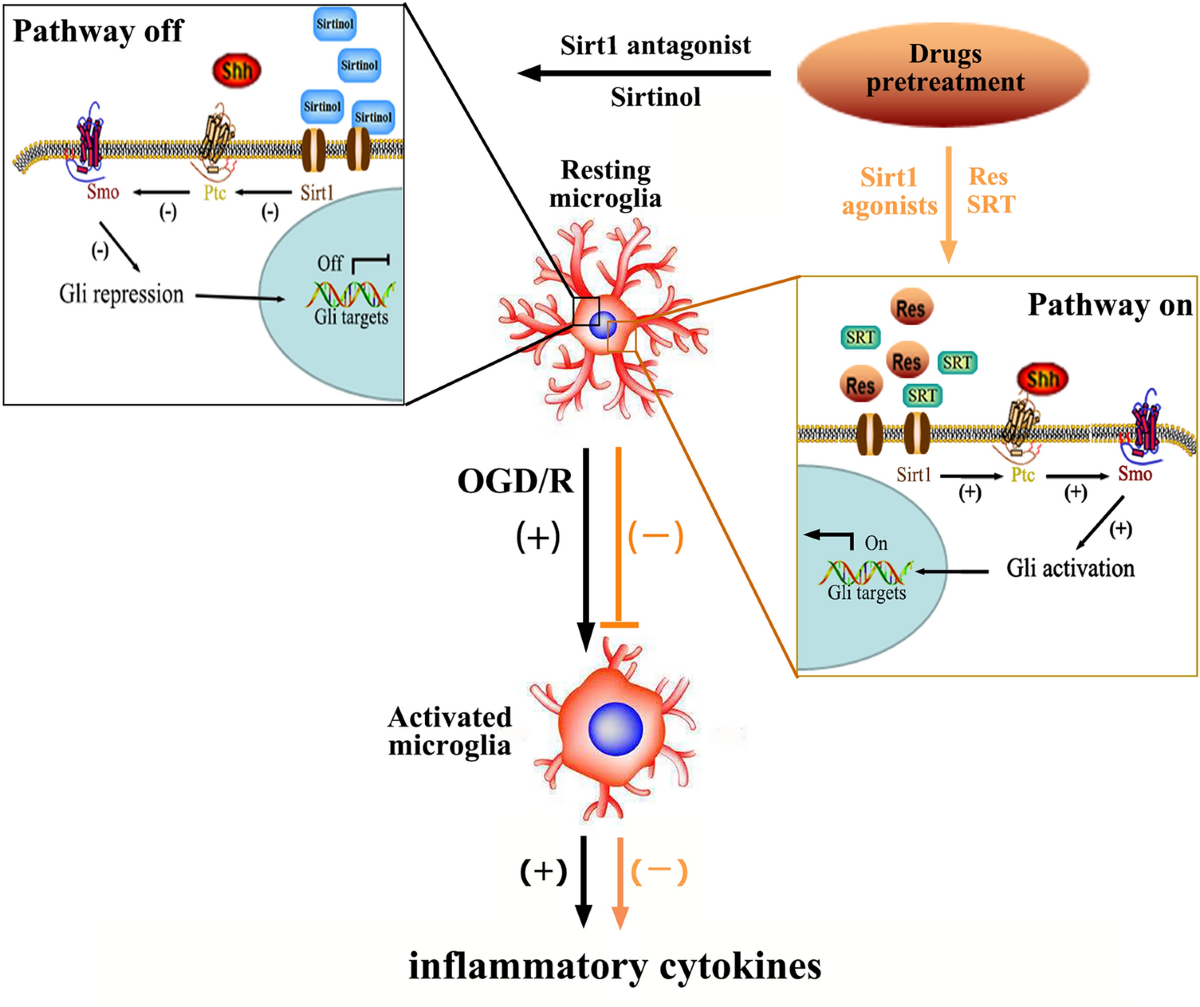
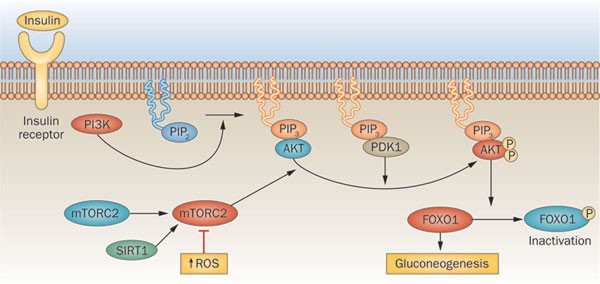
ghk-cu sirt1 activation regulates microglial and inflammation following oxygen-glucose deprivation/reoxygenation injury by targeting the Shh/Gli-1 signaling pathway | Molecular Biology Reports Insulin signal meets SIRT1 at
Description
In animal-model studies, BPC-157 administration has been associated with increased VEGF expression and enhanced vascularisation in target tissues
For others, it can be a challenge
Product Specifications Compound: Epithalon (Epitalon) Class: Synthetic short-chain tetrapeptide Sequence: Ala-Glu-Asp-Gly Molecular Weight: ~390 Da Form: Lyophilized powder Vial Size: 50mg in 10mL glass vial Purity: 99%+ verified by HPLC and mass spectrometry (See COAs) Research Background Epithalon has been investigated in research literature across several scientific contexts: Telomere biology research investigations into cellular telomerase activity and telomere maintenance in cell culture research models Pineal gland cellular biology studies examining cellular signaling pathways in pineal cellular research contexts Cellular gene expression research research literature on short-chain peptide effects on gene expression patterns in cellular research models Cellular regulatory peptide research analytical studies on tetrapeptide structure-activity relationships and cellular regulatory mechanisms Comparative short-chain peptide research comparative cellular research positioning Epithalon alongside other Khavinson-group short-chain regulatory peptides (including Cartalax) in cellular research contexts Cellular aging research studies examining cellular regulatory peptide effects across cellular aging research models Epithalon was developed through cellular biology research by the Khavinson research group at the St
The effect on MRI-enhancing lesions was delayed until 6 months after starting treatment


